
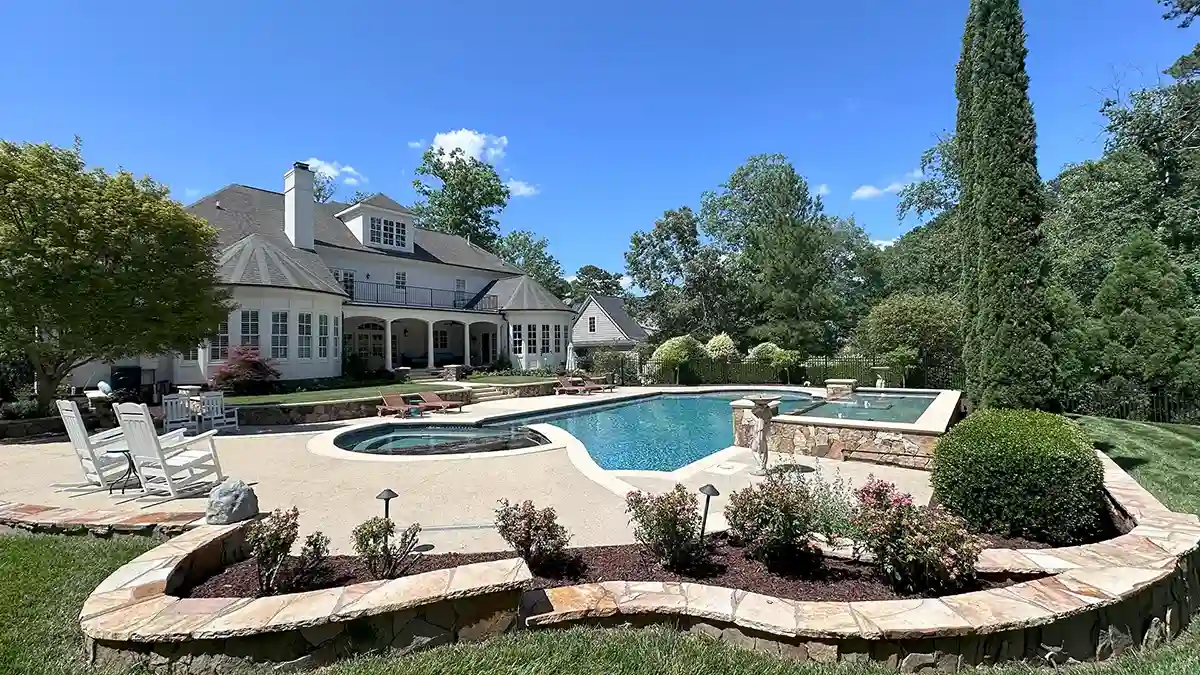
Read through our recommended fall landscaping checklist for homeowners who want to maintain their lawns…
To winterize your yard in late fall, remove heavy leaf cover, protect irrigation equipment before freezing weather, and adjust care to target the type of turf on your property. Fescue grass needs mowing near 3 inches, whereas dormant bermuda and zoysia varieties need less attention. At DreamScapes, our Raleigh landscaping company tailors winter lawn maintenance to your property’s grass, shade, and drainage needs.
Table of Contents
Winter 2026 Lawn Maintenance
For many homeowners throughout the Triangle, winter lawn care means knowing which jobs to keep doing and which ones can wait until spring. The winter lawn care tips below walk through both.
At DreamScapes, our team will provide relevant lawn maintenance services based on your grass type and the conditions around your Raleigh-area home.
How Should You Prepare Your Yard for the First Freeze of Winter 2026?
A cold night in Raleigh can arrive while the oak trees are still dropping leaves and the fescue lawns need another cut. You don’t have to finish every fall chore at once, but clearing heavy leaf cover and protecting irrigation equipment should come before the first hard freeze arrives and the ground freezes overnight.
How Does Winter Lawn Care in Raleigh Differ by Grass Type?
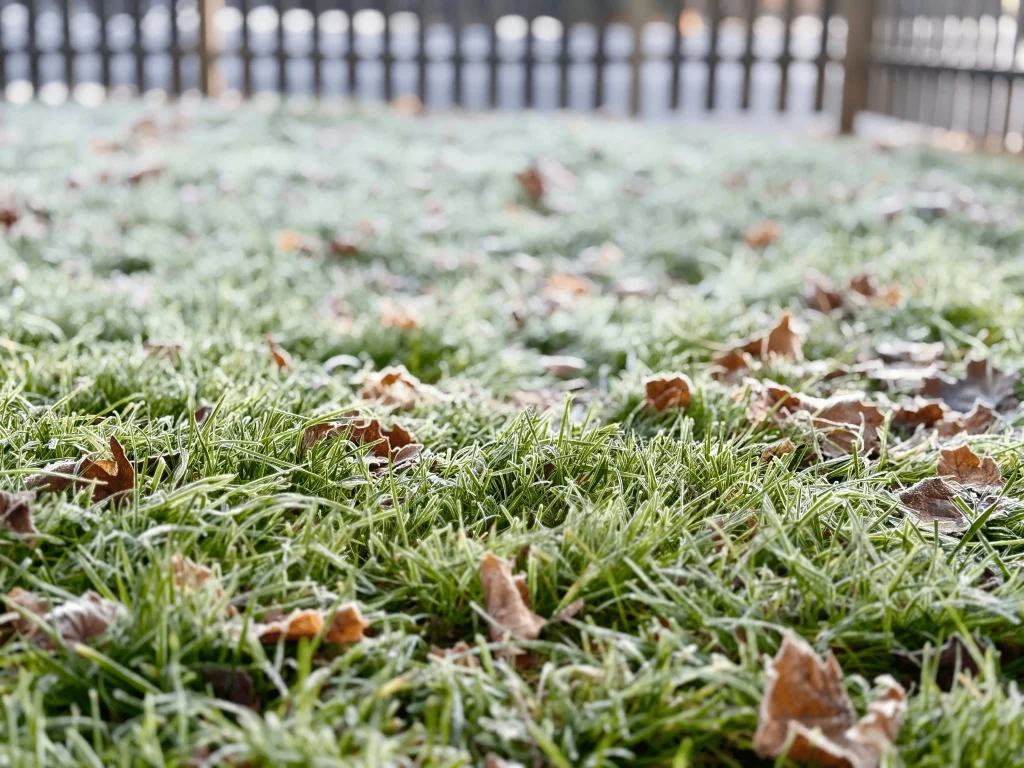
If your neighbor’s lawn is green while yours has turned brown, you may simply have different types of grass. Tall fescue stays green through much of a Raleigh winter, while bermuda and zoysia go dormant for the colder months.
Before we recommend mowing, fertilizer, or weed treatments, our winter lawn care technicians identify what’s growing in your yard, check the soil conditions, and then make targeted recommendations personalized to your property.
Keep Fescue at the Right Height
Tall fescue is one of the cool-season grasses, like Kentucky bluegrass and perennial ryegrass, so Raleigh’s mild winter spells can keep it growing after warm-season grasses like bermuda and zoysia have gone dormant. Fescue stops growing once temperatures drop below about 45°F and picks back up in mild spells. This means if you have a fescue lawn, it may need another cut even in December or January, though visits will usually be farther apart than they are during spring.
Keeping fescue near 3 inches through winter leaves enough grass blade to support the plant without letting it become overgrown. Resist cutting it extra short to avoid another mow. Fescue doesn’t tolerate close mowing well, and taking off too much puts unnecessary stress on the grass roots and the lawn.
Let Bermuda and Zoysia Rest During Dormancy
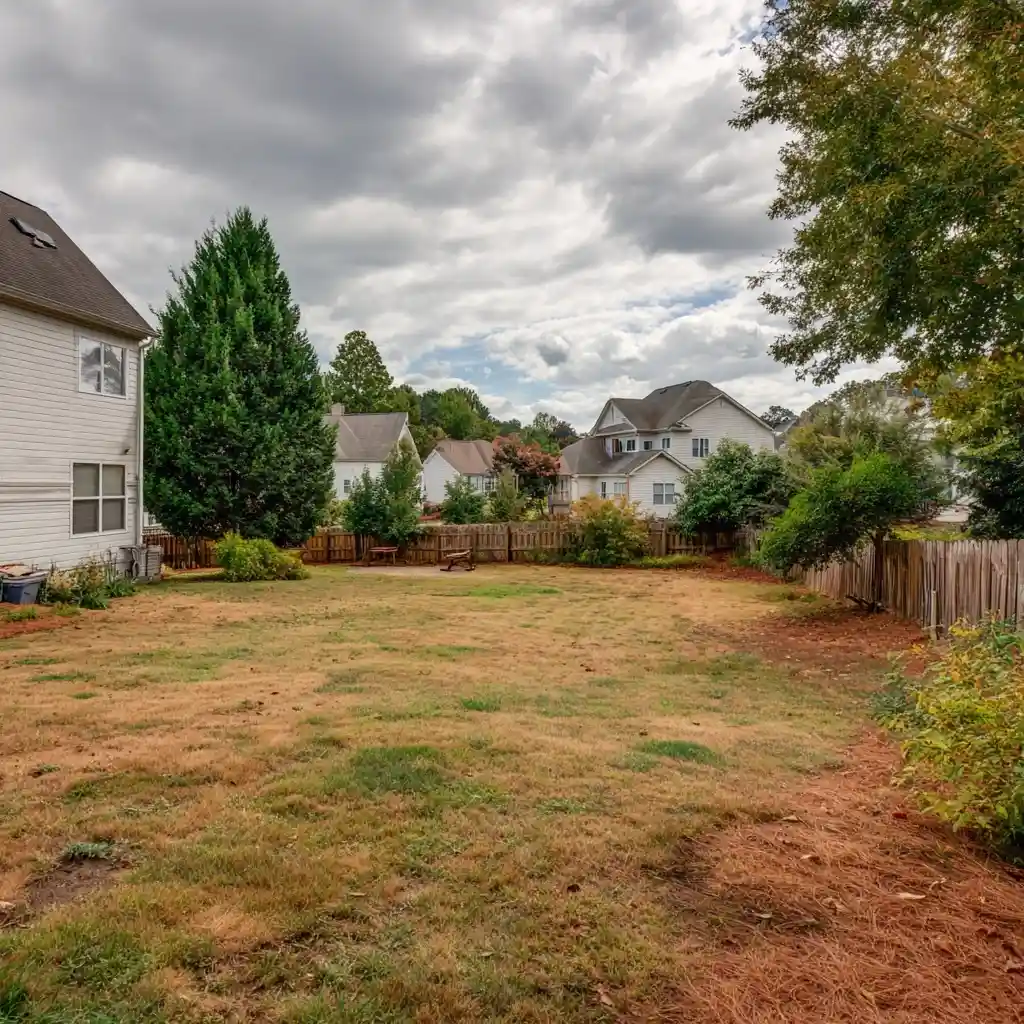
A Bermuda or zoysia lawn that turns tan or shows brown patches after cold weather arrives usually doesn’t need a treatment to bring the color back. Dormancy is part of the seasonal cycle. The lawn takes a winter break, and color returns with spring green-up.
During winter, the work shifts toward clearing leaves, removing debris, watching for weeds, and keeping heavy foot traffic off the lawn while it’s frozen or dormant. Routine mowing stops, and fertilizer should wait until the appropriate growing season comes back around.
However, if you have an area of your lawn that struggled before winter arrived, tell your lawn care professional what you noticed. A patch of bermuda grass that stayed thin all summer deserves a closer look, even if its color now blends in with the dormant lawn.
Treat Winter Weeds Without Damaging Your Grass
Green clumps in a dormant lawn may be weeds. Chickweed and henbit, for example, can grow while your warm-season turf sits in winter dormancy. Before treating them, it’s important to know your grass type and whether you put down grass seed in early fall or not. This is especially relevant for Triangle homeowners who overseed fescue in the fall, since some herbicides can damage young turf.
At DreamScapes, we provide turf fertilization and weed control programs where our winter lawn care experts take these details into account before treating your lawn. We’ll explain which treatments fit your lawn and when they should be applied to support healthy growth.
How to Winterize Your Raleigh Yard FAQs
When Should I Start Winterizing My Yard in Raleigh?
Start winterizing your Raleigh yard in fall, before freezing weather threatens irrigation equipment and heavy leaves sit matted on the grass, where snow mold can set in. Use the forecast and your property’s conditions to set priorities rather than waiting for a fixed date.
Can I Schedule Winter Lawn Maintenance With DreamScapes?
Winter lawn maintenance with DreamScapes can be discussed as part of a customized year-round plan. Tell us whether your main concern is leaf removal, lawn treatments, irrigation checks, or ongoing landscape care so we can outline the appropriate services.
How Much Does Winter Lawn Maintenance Cost in Raleigh?
Winter lawn maintenance costs in Raleigh depend on property size, access, debris volume, service frequency, and the work included. Ask whether the estimate covers beds, walkways, leaf hauling, and follow-up visits. Those details make quotes easier to compare when looking for a local lawn care company.
Should I Fertilize My Raleigh Lawn in Winter?
Winter fertilization depends on your grass type. Tall fescue may be fertilized in February as part of its feeding schedule, helping roots take up nutrients ahead of spring green-up. Dormant bermuda and zoysia should not receive winter fertilizer. Identify your turf before buying a product labeled “winterizer.”
What Experience Does DreamScapes Bring to Winter Lawn Maintenance?
DreamScapes brings more than 15 years of Triangle landscaping experience, with services spanning maintenance, landscape design, and installation. That range is useful when a recurring lawn problem needs more than another mowing visit.
Our lawn care and residential landscaping company also holds an A+ Better Business Bureau rating.
Where Does DreamScapes Provide Winter Lawn Care?
DreamScapes provides lawn maintenance in Raleigh, Cary, Wake Forest, Durham, Chapel Hill, and nearby Triangle communities. Learn more about the Triangle areas we serve.
Contact our team with your address and the services you need to confirm our team’s availability for your property.
Schedule Winter Lawn Care With DreamScapes
You don’t need to diagnose every bare patch before asking for a lawn care estimate. Start with what you’ve noticed: leaves that collect behind the fence, a low area that stays wet, or weeds spreading through dormant grass.
Call DreamScapes today at 919-868-2198 or request a winter lawn maintenance estimate by filling out our contact form online. We’ll discuss your concerns and the care your yard needs through winter and into spring’s growing season.
